
Dental implants are increasingly popular as a strong, natural-looking replacement for missing teeth. Whether you’re a candidate for dental implants isn’t always straightforward to decide. Many people assume they qualify automatically, but the reality is that several factors determine your eligibility.
You must meet specific health criteria to become a dental implant candidate. Your overall health, bone density, and gum condition all play significant roles in determining who is a good candidate for dental implants. Understanding who is not a candidate for dental implants can help you prepare or explore alternative solutions.
We’ll walk you through the health requirements, lifestyle factors that affect success rates, and what options exist if you don’t qualify for this procedure currently in this piece.
Health Requirements That Determine Dental Implant Candidacy
Your body must meet specific health requirements for a dental implant to integrate with your jaw. Dentists review two critical areas: jawbone structure and gum health, while also considering your overall medical condition.
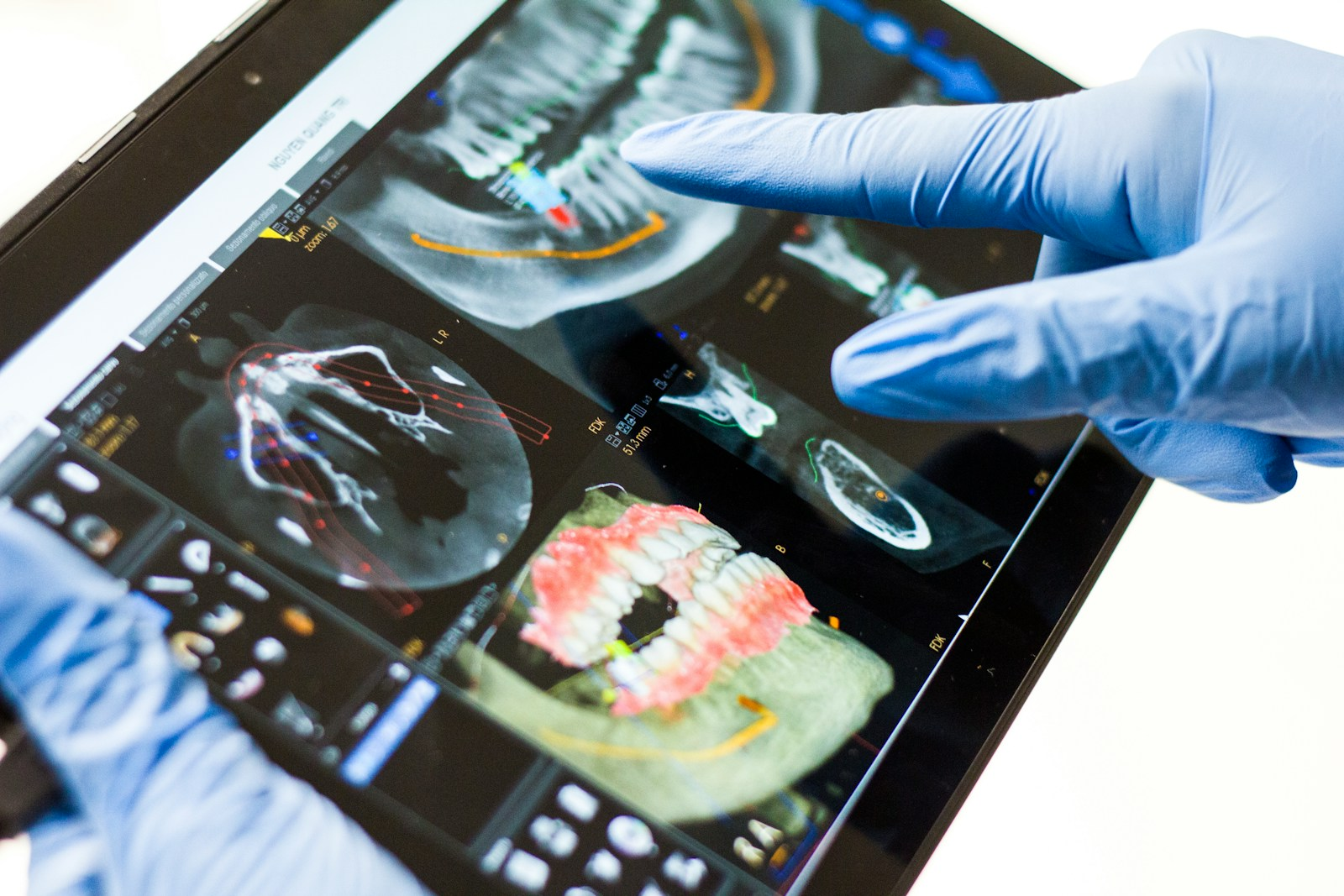
Your jawbone needs adequate strength and thickness to support the implant post. Dentists look for minimum measurements of 10mm in height and 5mm in width in the lower jaw for standard implants. Bone loss occurs often after tooth loss because your jaw no longer receives stimulation from tooth roots. We use 3D imaging to measure bone density and determine if you have sufficient structure. Bone grafting procedures can rebuild jaw structure in many cases if you lack adequate jawbone density. Alternative options include sinus lift procedures for the upper jaw or shorter implant designs that require less bone depth.
Your gums are the protective foundations surrounding dental implants. Active gum disease requires treatment before placing implants. Periodontal disease creates inflammation and infection that prevents implants from fusing with bone. You’ll need healthy gum tissue and good oral hygiene habits, including regular brushing and flossing.
Your general health substantially affects healing and implant support. Uncontrolled diabetes impairs bone healing and increases infection risk. Autoimmune disorders may affect your immune response and healing ability. Properly managed diabetes remains compatible with dental implants if blood sugar stays controlled. There’s no strict upper age limit for who is a good candidate for dental implants, though children under 18 need to wait until jaw growth completes.
Lifestyle Factors That Impact Implant Success
Beyond meeting medical requirements, your daily habits influence whether you remain a good candidate for dental implants over time. Smoking presents the most documented risk factor. Implants placed in smokers show a 140.2% higher failure risk compared to non-smokers. Heavy smokers consuming more than 10 cigarettes daily face an 18.3 times greater risk of implant loss. The failure rate jumps substantially. One study found that smoking created a hazard ratio of 36.35 compared to non-smokers. Smoking restricts blood flow and impairs bone healing. It increases marginal bone loss by an average of 0.580 mm. Peri-implantitis occurs more often in smokers, who show deeper peri-implant pockets and higher inflammation levels.
Oral hygiene maintenance separates successful long-term outcomes from failures. You need to eliminate 85% of biofilm every 8 to 12 hours through brushing and interdental cleaning. Patients attending regular maintenance appointments show an 18% peri-implantitis incidence versus 44% for those skipping professional care.
Bruxism (teeth grinding) creates excessive forces that loosen implants and fracture crowns. It triggers bone resorption around implant sites. A study of 640 implants found 42.9% failure rates in bruxism patients, with porcelain fractures being the most common complication. Custom nightguards distribute grinding forces and protect implant structures during sleep.
What to Do If You’re Not a Candidate for Dental Implants Right Now
You may not qualify as a dental implant candidate right now, but that doesn’t mean you’re excluded forever. Several preparatory treatments can address the problems that prevent implant placement.
Bone grafting rebuilds jawbone density when you lack adequate support structure. The procedure takes three to twelve months to heal based on graft size. Sinus lift surgery addresses insufficient bone height in the upper jaw. It elevates the sinus membrane and adds bone graft material. These procedures create the stable foundation that implants require.
Active gum disease requires treatment before any implant work begins. Plaque below the gumline is removed through scaling and root planing, while advanced cases may need pocket reduction surgery or regenerative therapy. Periodontal treatment must achieve pocket depths below 4mm without bleeding before you can proceed.
Alternative tooth replacements exist if preparatory treatments aren’t feasible or you prefer to avoid surgery. Traditional bridges last 5-10 years but require grinding down adjacent healthy teeth. Dentures provide a non-surgical option, though they last only 7-15 years on average and require daily removal to clean. Partial dentures fill gaps from several missing teeth and clip to healthy teeth, though they’re less stable than implants.
Schedule a consultation to receive a customized treatment plan. Your dentist will assess your situation and outline whether preparatory work or alternatives better suit your needs.
Conclusion
Dental implant candidacy depends on your bone density, gum health, and overall medical condition. Lifestyle factors like smoking and oral hygiene substantially affect success rates. Being a good candidate for dental implants isn’t always permanent though. Preparatory treatments such as bone grafting can address many obstacles if you don’t qualify right now. Schedule a consultation with your dentist to receive a customized assessment and explore whether implants or alternative solutions best fit your situation.



Leave a Reply