

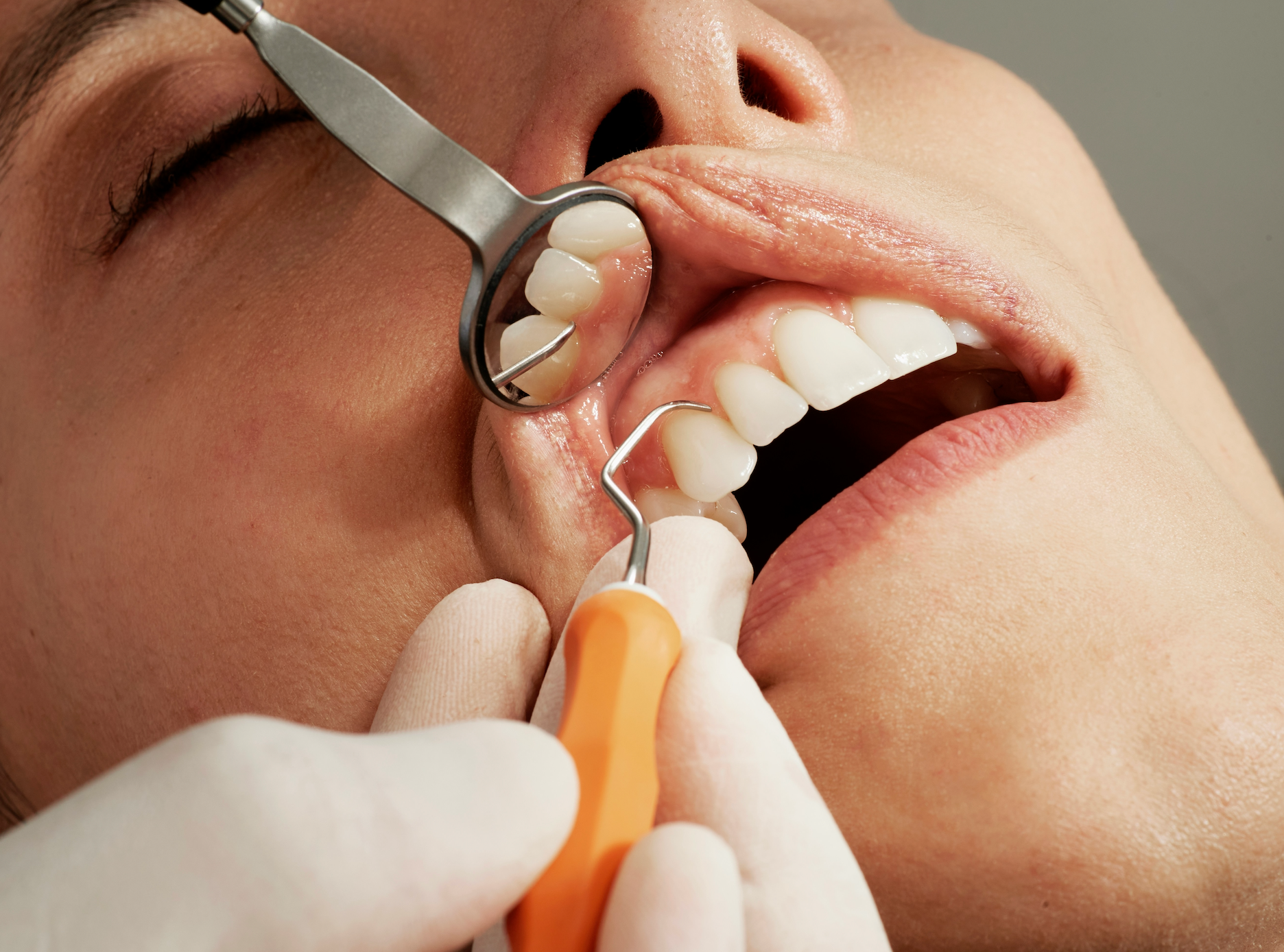
The choice between a dental implant specialist in Redlands and a general dentist affects more than just your treatment experience, it directly impacts your results. The difference comes down to training and surgical precision. Dental implant placement requires drilling into the jawbone at exactly the right angle, depth, and position to avoid damaging adjacent teeth or facial nerves. Implant specialists complete years of additional surgical training beyond dental school, focusing specifically on these complex procedures and their potential complications.
An incorrectly positioned implant doesn’t just fail, it can cause permanent damage that’s difficult or impossible to repair. This is why choosing the right provider matters so much for this type of dental surgery.
So who should you trust with your implant procedure? The answer depends on understanding what different types of dental providers bring to implant dentistry, what training they’ve completed, and how their experience matches your specific needs.
This guide will walk you through the key differences between implant specialists and general dentists, help you evaluate provider qualifications, and give you the right questions to ask during your consultation. Your oral health deserves nothing less than the most qualified care available.
What types of dental professionals perform implant surgery?
Several types of dental professionals can place implants, though their training and expertise differ significantly. Understanding these differences helps you choose the right provider for your specific situation.
General dentists handle routine implant cases, typically single-tooth replacements in patients with healthy gums and adequate bone. Most general dentists receive implant training through continuing education courses rather than formal residency programs. They often refer complex cases requiring bone grafting or involving challenging anatomy to specialists.
Oral and maxillofacial surgeons complete the most extensive surgical training of any dental professional. After dental school, they complete several additional years of hospital-based residency training. These specialists excel at complex extractions, major bone grafting procedures, and implant placement in difficult anatomical situations.
Periodontists focus specifically on the gums and bone that support teeth – the foundation for successful implants. Their additional years of specialized training make them particularly skilled at treating patients with gum disease or bone loss. They understand how to create the healthy tissue environment that implants need to succeed long-term.
Prosthodontists specialize in replacing missing teeth and designing the crowns, bridges, or dentures that attach to implants. Their training focuses on both the functional and aesthetic aspects of tooth replacement. They ensure your final restoration looks natural and functions properly.
Many implant treatments involve collaboration between different specialists. An oral surgeon might place the implant, while a prosthodontist designs the final restoration. This team approach often produces the best results, especially for complex cases.
The American Academy of Implant Dentistry offers certification programs for providers, with fellows completing at least 400 hours of continuing education and five or more years of implant experience. However, fellowship status doesn’t replace the value of formal specialty training.
What makes implant specialists different from general dentists?
The training gap between specialists and general dentists extends far beyond dental school. Implant specialists complete hospital-based residencies lasting several additional years, focusing specifically on surgical techniques and complex case management. Many specialists also participate in ongoing education through structured programs covering everything from patient evaluation to advanced prosthetic treatment planning.
Experience with challenging cases sets specialists apart most dramatically. They routinely handle bone grafting procedures necessary when patients lack sufficient jaw bone. Specialists are also better equipped to manage preexisting inflammation sites.
The question becomes whether your specific case requires this level of expertise – and how to determine which type of provider matches your needs.
Questions to ask when choosing your implant provider
The provider you choose for dental implant surgery will determine both the success of your procedure and your long-term satisfaction. A good implant specialist will discuss your oral health history, treatment goals, and overall health to avoid potential complications or choose the wrong approach.
It’s worth spending extra time on this decision. Implant dentistry requires precise surgical skills, and you’ll want an experienced professional handling your case.
What specific training do you have in implant dentistry?
Ask about the training they completed beyond dental school. This should include specialized residency programs, the institutions where they trained, and the duration of their education. Studies show that inexperienced implant dentists have failure rates five times higher than experienced specialists.
You should also ask whether they’re board-certified in their specialty and which professional organizations they belong to. Board certified specialists provides assurance to our patients that our professionalism maintains the highest standards in the field.
How many implant procedures have you completed?
Experience matters significantly for implant success. Ask specifically about procedures they’ve performed similar to your case – whether you need a single implant, multiple implants, or complex procedures requiring bone grafting.
Don’t hesitate to request before-and-after photos of previous cases. This gives you insight into both their clinical skills and the aesthetic results you can expect.
What technology do you use for implant placement?
Advanced diagnostic tools like 3D imaging allow detailed visualization of your jawbone structure before surgery. Computer-guided surgery helps ensure precise implant placement. Ask your potential provider which technologies they use and how these tools will benefit your specific case.
Will my case require multiple specialists?
Complex cases often benefit from a team approach where different specialists contribute their expertise. For example, an oral surgeon might place the implant while a prosthodontist designs and creates the final restoration. Your provider should explain whether your case requires this collaboration.
How will you manage pain and recovery?
Discuss anesthesia options, post-surgical pain management, and detailed recovery instructions. Your surgeon should outline what to expect during healing and provide clear guidelines for aftercare.
Find the Your Redlands Dental Implant Specialist
The provider you choose for your dental implant procedure affects both your immediate experience and long-term results. Specialists bring advantages that matter: additional surgical training, experience with complex cases, and access to advanced technology that improves placement accuracy.
Different specialists offer different strengths. Oral surgeons handle complex surgical procedures and bone grafting. Periodontists focus on the gum and bone health that creates a strong foundation for your implant. Prosthodontists design restorations that both function well and look natural. Many successful treatments involve collaboration between these professionals.
Your research should focus on the factors that directly impact your outcome. Ask about your provider’s specific training in implant dentistry, their experience with cases similar to yours, and the technology they use for treatment planning and placement. Don’t hesitate to request before-and-after photos of their work.
Dental implants represent a significant investment in your oral health. A properly placed implant can last decades, while a failed implant often requires additional procedures and expense. The slightly higher initial cost of specialist care typically pays for itself through better long-term outcomes.
Take time during your consultation to ask the right questions. Does your case require bone grafting or other complex procedures? What technology will be used for planning and placement? How many similar cases has your provider completed successfully?
Your smile and oral health deserve careful consideration when making this choice. The information in this guide gives you the foundation to evaluate your options and select the provider best qualified for your specific needs.
Key Takeaways
When choosing between a specialist and general dentist for dental implants, understanding the significant differences in success rates and expertise can help you make the best decision for your oral health.
• Advanced training and technology set specialists apart – they complete additional years of specialized education, use 3D imaging and computer-guided surgery for precise placement.
• Complex cases require specialized expertise – bone grafting, severe gum disease, and difficult anatomy are better handled by oral surgeons, periodontists, or prosthodontists.
• Ask critical questions during consultations – verify credentials, review experience with similar cases, examine before-and-after photos, and discuss technology used.
• Team-based approaches often yield best results – many successful implant treatments involve collaboration between specialists, with each contributing their specific expertise.
The bottom line: while general dentists may offer lower initial costs, the superior success rates and specialized expertise of implant specialists make them the safer choice for this significant investment in your oral health. A properly placed implant can last a lifetime, making the specialist’s higher success rate worth the investment.
References:
[2] – https://www.hsdm.harvard.edu/implant-digital-dentistry
[3] https://www.dental.columbia.edu/education/continuing-education/courses/comprehensive-implantology-
[4] – https://pmc.ncbi.nlm.nih.gov/articles/PMC5266561/[5] – https://www.hsdm.harvard.edu/implant-digital-dentistry




Leave a Reply