

A root canal emergency isn’t something you should ignore. An infected or abscessed tooth requires immediate treatment, as the infection can spread beyond the tooth to affect your jawbone or even other parts of your body. But many patients aren’t sure when root canals are needed or if their situation qualifies as urgent. Continuous tooth pain, swelling in your face, tender gums and fever are signals that emergency root canal treatment may be necessary. We’ll walk you through the warning signs that require seeing a root canal emergency dentist, what happens during same day root canal procedures, and when you need immediate care in Redlands.
Signs You Need Emergency Root Canal Treatment in Redlands
Knowing the difference between regular dental pain and a true emergency can save your tooth and prevent serious complications. Severe tooth pain that intensifies at the time you bite down or apply pressure signals a problem deep within the tooth’s pulp. Over-the-counter medication won’t make this discomfort fade. The pain radiates to your jaw, neck, or ear and creates a throbbing sensation that disrupts sleep and concentration.
Swelling around your gums, face, or jaw indicates an infection spreading beyond the tooth. You might notice a pimple-like bump on your gum that represents an abscess trying to drain. Pus discharge or a foul taste in your mouth confirms active infection. Watch for tender, swollen lymph nodes under your jaw or neck as these show your body fighting bacteria.
Tooth discoloration deserves attention right away. A tooth turning gray, dark brown, or black signals a dying or dead nerve inside. Sensitivity to hot or cold that lingers more than 30 seconds after exposure indicates severe nerve inflammation. Fever accompanying any of these symptoms means the infection has become systemic and requires urgent care. Difficulty breathing or swallowing represents a life-threatening emergency that requires medical attention without delay.
What Happens During an Emergency Root Canal Procedure
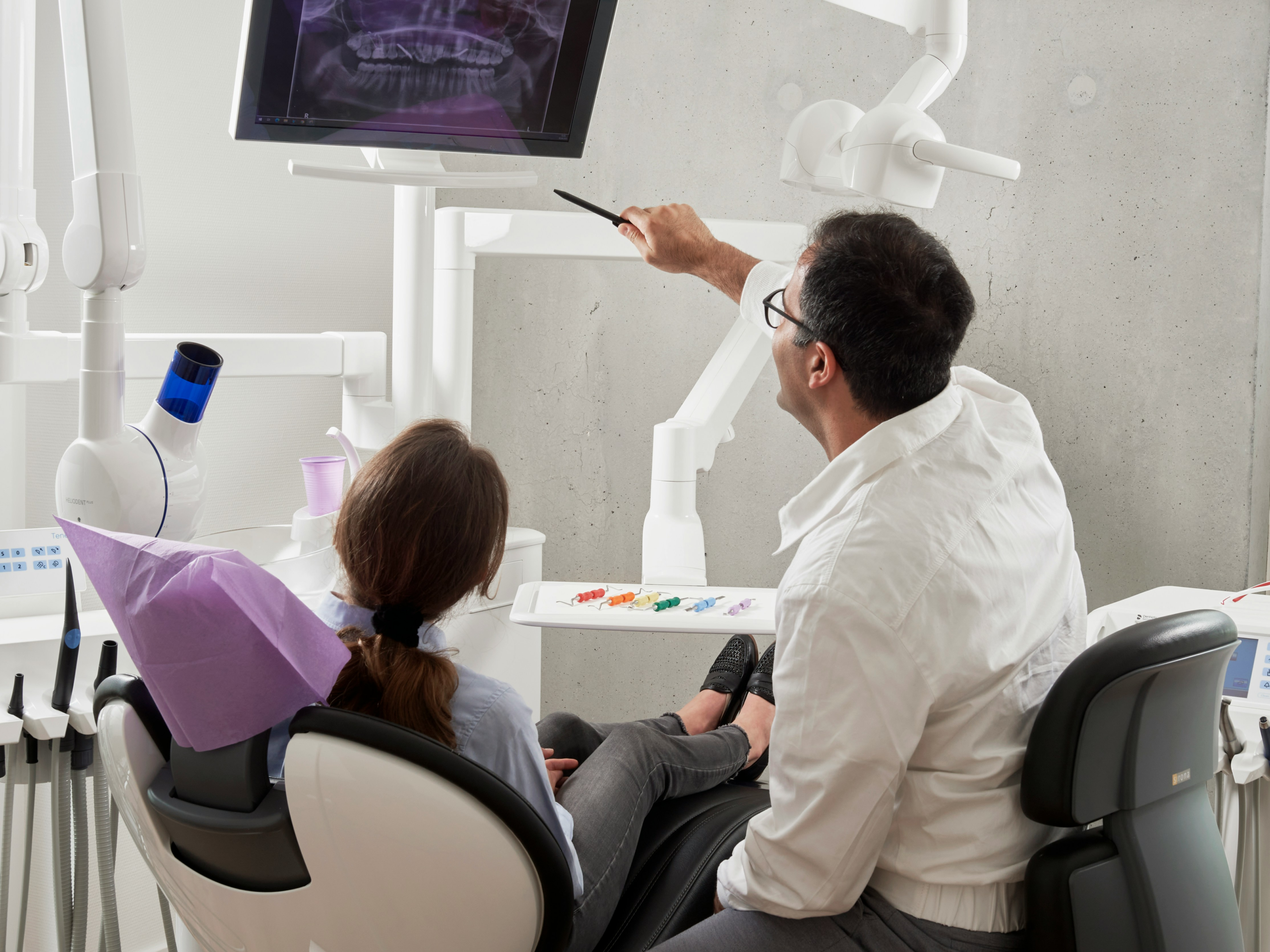
Your dentist begins emergency root canal treatment with X-rays. These assess the infection extent and tooth structure. This diagnostic step maps out the root canals and identifies any complications before treatment starts. After the examination, local anesthesia numbs the affected area and ensures you remain comfortable throughout the procedure. Some practices offer sedation options for anxious patients.
The dentist creates a small access opening through the tooth’s crown to reach the infected pulp chamber once you’re numb. Specialized files remove all infected or damaged tissue from inside the tooth and root canals. This step eliminates the bacteria causing your pain and prevents further spread of infection.
The cleaning process involves irrigating the canals with antimicrobial solutions like sodium hypochlorite or chlorhexidine. These solutions flush out debris and disinfect the area really well. The dentist then shapes and enlarges the canals with files of various sizes. This creates smooth surfaces free from remaining bacteria. Advanced practices may use ultrasonic instruments to boost cleaning effectiveness.
The empty canals are filled with gutta-percha after disinfection. This biocompatible rubber-like material seals the space and prevents reinfection. A temporary filling protects the tooth until a permanent crown can be placed. Many Redlands dentists offer same day root canal treatment to provide immediate relief. A straightforward front tooth procedure takes 30-60 minutes. Molars require 1-2 hours due to their complex root structure.
When to See a Redlands Dentist Immediately
Contact a Redlands dentist right away if pain prevents you from sleeping, eating, or focusing on work. Tooth pain that persists for 1-2 days or longer indicates a serious infection and requires emergency root canal treatment. Over-the-counter medications like ibuprofen or acetaminophen can provide temporary relief, but they don’t address the infection.
You need urgent attention if facial swelling extends from your tooth to your jaw, cheek, or neck. Swelling that makes it hard to open your mouth or feels warm to the touch signals a spreading infection. Visit a dentist right away if you notice swelling with difficulty swallowing, as this indicates the infection is advancing.
The infection may be spreading beyond the tooth into your bloodstream if fever accompanies dental pain. Adults with temperatures of 103°F or higher should seek same day root canal care. Trauma from accidents, falls, or impacts to your face also requires evaluation right away, as damaged teeth can develop infections fast.
Call your emergency root canal dentist if you see pus draining from your gums or experience a persistent foul taste. Go straight to the emergency room rather than waiting for a dental appointment if breathing becomes hard or swelling affects your airway.
Find a Redlands Emergency Dentist for a Root Canal
Root canal emergencies require prompt attention to save your tooth and prevent serious complications. Severe pain, swelling, fever, and discharge are clear warning signs, but you shouldn’t wait for symptoms to worsen. Contact a Redlands dentist right away if you’re experiencing persistent tooth pain or any concerning symptoms we’ve discussed. Same day root canal treatment can provide immediate relief and stop the infection from spreading. Your dental health is too important to delay, especially when emergency care is accessible.
Root Canal Emergency FAQs
Q1. Can I get a root canal done during an emergency dental visit?
Yes, emergency dentists can perform root canals during urgent appointments. They will assess your symptoms, provide pain relief, and determine if immediate root canal treatment is necessary. Many dental practices offer same day root canal procedures to address severe infections and prevent complications like tooth loss or the spread of infection to surrounding areas.
Q2. What symptoms indicate I need emergency root canal care right away?
Seek immediate care if you experience severe, persistent tooth pain that doesn’t respond to over-the-counter medication, significant facial or jaw swelling, visible pus drainage from your gums, fever accompanying dental pain, or a foul taste in your mouth. These symptoms suggest an active infection that requires urgent treatment to prevent it from spreading.
Q3. How long does an emergency root canal procedure typically take?
The duration depends on which tooth needs treatment. A straightforward root canal on a front tooth usually takes 30-60 minutes, while molars require 1-2 hours due to their more complex root structure. The procedure includes examination, numbing, removing infected pulp, cleaning and disinfecting the canals, and sealing the tooth.
Q4. What should I do if I have tooth pain but can’t see a dentist immediately?
Over-the-counter pain medications like ibuprofen or acetaminophen can provide temporary relief while you wait for your appointment. However, these medications only mask symptoms and don’t treat the underlying infection. If pain persists for 1-2 days or longer, or if you develop swelling or fever, contact an emergency dentist as soon as possible.
Q5. When should I go to the emergency room instead of a dentist for tooth problems?
Go directly to the emergency room if you experience difficulty breathing or swallowing, as this indicates the infection may be affecting your airway. Also seek emergency medical care if facial swelling is severe, you have a high fever (103°F or higher in adults), or if you’ve experienced significant facial trauma that could affect your teeth and jaw.




Leave a Reply