
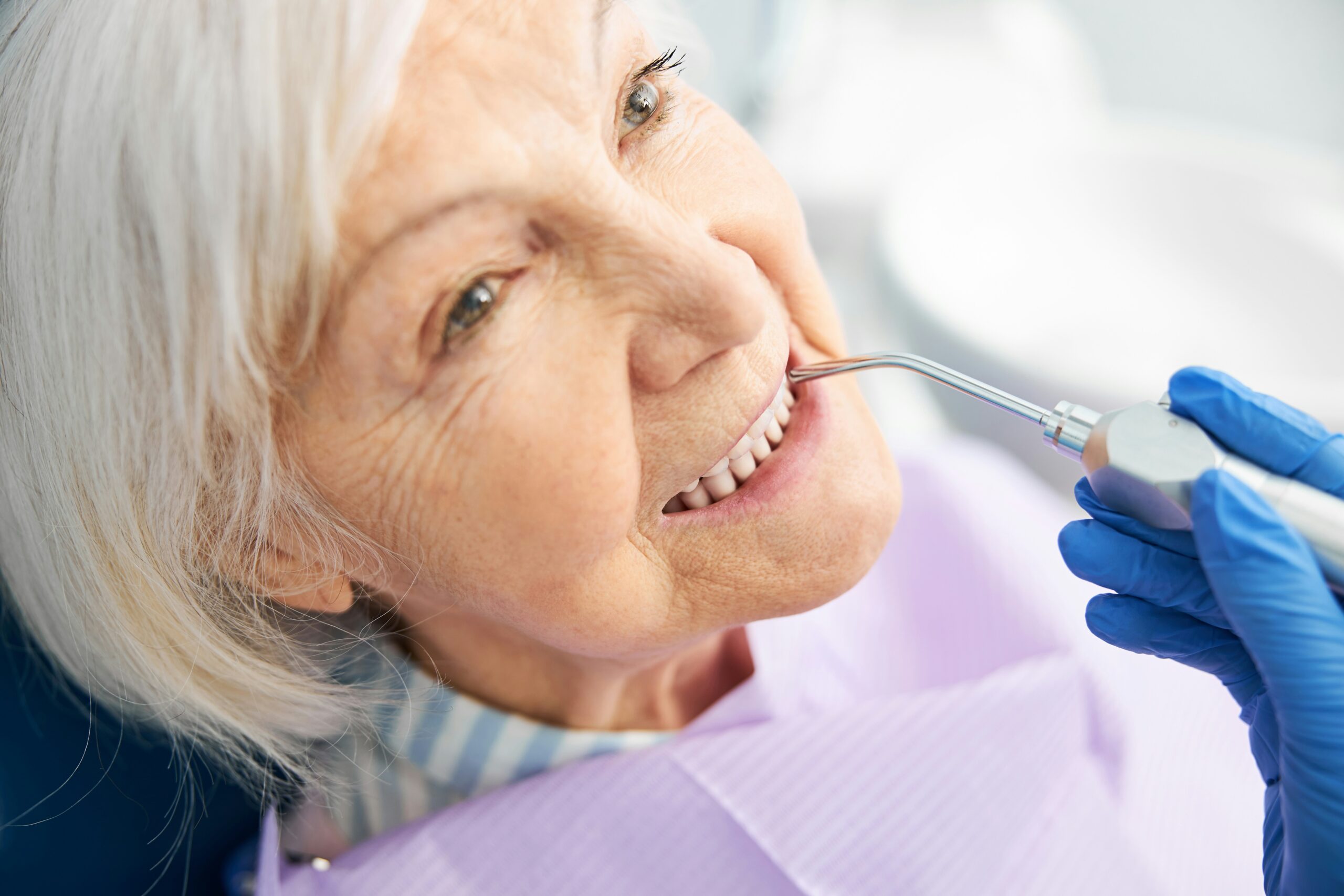
Dentists have placed dental implants for seniors well into their 80s and 90s. This proves that age alone doesn’t disqualify you from this treatment. There’s no upper age limit for getting dental implants, and the success rates in older patients are comparable to those in younger individuals. Many seniors worry they’ve waited too long to replace missing teeth or upgrade from dentures.
We understand these concerns. That’s why we’ve created this complete guide. We’ll walk you through the relationship between dental implants and age, health factors that determine your candidacy, and the unique benefits for seniors. You’ll also learn what to expect regarding dental implants cost for seniors in Redlands, CA.
Understanding Dental Implants and Age: What Redlands Seniors Need to Know
The research on dental implants for seniors tells a compelling story. Studies analyzing over 158,000 dental implants show an overall failure rate of just 2.21%. Ten-year success rates range from 92.9% to 97% across multiple age groups. A systematic review compared patients averaging 65 to 75 years against older cohorts and found no major difference in success rates. This confirms that dental implants remain reliable for those over 75.
Biological age matters more than the number on your birth certificate. A healthy 72-year-old with adequate bone density and well-managed chronic conditions may be a stronger candidate than a 58-year-old with uncontrolled diabetes or severe osteoporosis. How well the implant heals and stays supported depends on bone quality and gum health. Managing any existing conditions properly also plays a role.
Healing timelines do change with age. Osseointegration is the process where bone fuses to the implant. It completes in three to four months for younger patients typically. Past 60, five to six months isn’t unusual, especially in the lower jaw where bone density tends to be lower. This extended timeline isn’t a barrier. It’s a planning consideration that requires patience.
Your Redlands dentist will review your bone density, medication history and healing capacity before recommending dental implants. Age as a compatible factor matters, but chronological age alone won’t dismiss you.
Health Factors That Determine Your Implant Candidacy
Your jawbone needs adequate density and volume to anchor the implant securely. Bone quality refers to strength, structure and mineral content, while volume measures how much bone exists in the treatment area. You might have sufficient volume but poor density. The bone is large enough but too soft to support long-term stability. Grafting procedures can rebuild the structure when bone is insufficient. These procedures use artificial bone materials or donor tissue, which your body converts into its own bone over several months.
Controlled chronic conditions rarely prevent dental implants for seniors. Diabetes, heart disease and osteoporosis don’t disqualify you if managed well. Uncontrolled diabetes poses most important risks because persistent hyperglycemia impairs bone healing and increases infection susceptibility. Recent cardiac events like heart attacks or strokes require postponing surgery until you’re medically stable.
Certain medications interfere with bone metabolism and osseointegration. Proton-pump inhibitors and selective serotonin reuptake inhibitors affect implant integration negatively, while bisphosphonates used for osteoporosis can impair bone healing. NSAIDs taken chronically may also compromise bone integration.
Active gum disease must be treated before implant placement. Untreated periodontal infections can destroy surrounding bone and prevent proper healing. Your dentist will address immediate concerns through cleanings or infection treatment to optimize oral health first. Commitment to thorough home care and routine cleanings remains paramount for implant success.
The Senior Advantage: Benefits and Dental Implants Cost for Seniors
Missing teeth affect more than appearance. Seniors with inadequate chewing function face a 21% increased likelihood of malnutrition. This directly affects muscle strength and physical health. Dental implants for seniors restore the capacity to eat nutrient-dense foods like fresh vegetables, fruits and proteins that require proper mastication. This improved nutrition supports overall well-being in ways dentures cannot match.
The clinical outcomes speak for themselves. A large-scale study of 158,824 implants recorded a 97.83% success rate, with 20-year survival rates exceeding 90%. Five-year survival rates reach 96.8% for seniors, proving that dental implants and age compatibility extends well into later life.
Dental implants cost for seniors in Redlands ranges from $3,000 to $7,000 per tooth. Full-arch All-on-4 solutions start around $15,000. Dentures priced at $2,500 to $3,500 per arch require replacement every five to seven years. Multiple denture replacements plus adhesives and relines accumulate costs that narrow the gap over two decades considerably.
Financing makes treatment available. Programs like CareCredit and Cherry offer flexible payment plans. At least one financing option is available to 99% of patients. Health Savings Accounts or Flexible Spending Accounts with pre-tax dollars can also be used.
Conclusion
Age alone shouldn’t stop you from getting dental implants. Your overall health and dedication to oral care matter far more than the number on your birth certificate. The benefits are clear: better nutrition, high success rates and long-term value that rivals traditional dentures. Flexible financing options make dental implants for seniors in Redlands available to more people. Talk to your dentist today to find out if you’re a candidate for this treatment.



Leave a Reply