

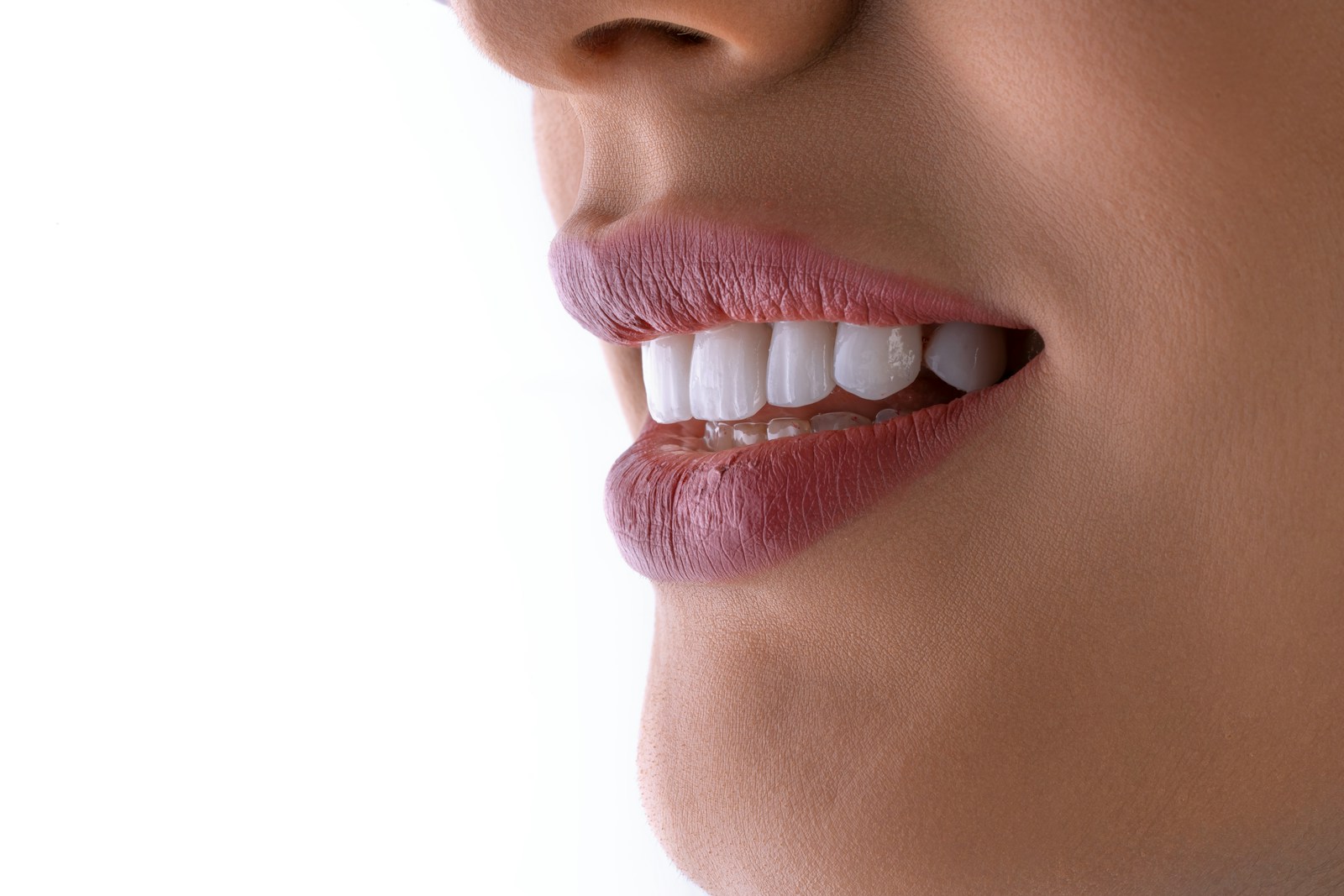
The average adult has at least three missing teeth by the time they reach age 64. The all in four procedure offers a permanent solution that addresses this common dental challenge. All-on-4® dental implants use four strategically placed implants to support a complete set of fixed teeth and restore up to 70% of your original chewing power. Most patients receive temporary teeth on the same day as implant placement. They leave with a functional smile immediately. You need to know what All-on-4® dental implants are and how the implant technique works to make an informed decision about this treatment. This piece walks you through everything Redlands patients need to know about the implants procedure.
What Is the All-on-4® Dental Implants Procedure
The procedure uses four titanium posts to support a complete arch of replacement teeth. This technique supports 10-14 teeth on just four implants and creates a fixed solution that stays in your mouth permanently.
How the All-on-Four® Implant Technique Works
Two implants are placed vertically in the front of your jaw where bone density remains naturally stronger. The remaining two implants are positioned in the back at angles between 30 and 45 degrees. This angled placement is the biggest engineering difference in the All-on-4® procedure.
The strategic angulation allows the implants to anchor into denser bone areas while bypassing weaker sections and avoiding anatomical structures like the sinus cavity. Each implant must achieve 35-45 Ncm of torque for immediate loading. Multi-unit abutments are then attached to correct implant angles and create parallel connections for the prosthesis.
This positioning maximizes contact with available bone, even in patients who have experienced bone loss. Bone grafting becomes unnecessary in most cases because of this design. The implants serve as a foundation for a fixed bridge that you brush and care for like natural teeth.
How It Is Different from Traditional Dental Implants
Traditional dental implants need six or more implants per arch. Most patients need a total of 12 or more implants to support both upper and lower dentures. Unlike the all-on-4® implant technique, traditional implants are placed straight within the bone without angulation.
The treatment timeline is different by a lot. Traditional dental implant treatment often needs sinus augmentation or bone grafting before implant placement. Once these procedures are completed, the jaw must heal before implants can be placed. This may take several weeks and sometimes months. The All-on4® dental implants procedure avoids these preliminary surgeries and reduces overall treatment time.
Traditional implants can replace individual teeth, multiple teeth, or a full arch. The procedure is designed specifically for full-arch restoration when you’re missing most or all teeth in one arch.
Who Needs This Treatment
You qualify for this treatment if you’re missing most or all teeth in a jaw. The procedure works well for current denture wearers who want a fixed solution and patients with failing teeth that need extraction or those with severely decayed teeth.
The technique needs at least 10mm of bone height in the front of your jaw and about 5mm of bone width. Patients with low alveolar bone mass who are unable to place dental implants in the molar jawbone represent ideal candidates. Even if you’ve been told you lack sufficient bone for traditional implants, you may still qualify for the best All-on-4® dental implants treatment.
The All-on-4® Procedure: Step-by-Step Process
Your trip through the procedure follows five distinct phases. Each builds toward your final result.
Original Consultation and Treatment Planning
We begin with a complete evaluation of your oral health and medical history. A 3D cone beam CT scan assesses your bone volume and quality. Digital impressions, photos and bite records guide precise implant positioning and smile design. This planning supports safe immediate loading and will give your temporary prosthesis a proper fit. Advanced planning software determines optimal implant placement. Preparatory procedures may be recommended if bone support requires enhancement. This phase involves 1-2 appointments over a 1-2 week period.
Surgery Day: What Happens During Implant Placement
The surgical appointment lasts 2-3 hours per arch. Any failing teeth are removed first under sedation or anesthesia. Four implants are then placed using digital guides or intraoral navigation. The strategic positioning maximizes bone contact and avoids anatomical structures. Placement is planned to avoid sinus cavities for upper jaw implants.
Temporary Teeth Placement
Most patients receive temporary teeth the same day. Some clinics deliver them next day to allow extra lab refinement. Either way, you leave with a fixed smile rather than a removable denture. The temporary prosthesis is screw-retained on the implants. We adjust bite points, length and contour to support your lips and speech. This provisional bridge is lighter than your final teeth and easier to modify during healing.
Healing Period and Osseointegration
Healing takes 3-6 months before your final bridge. Weeks 1-2 bring normal swelling and tenderness. You’ll need soft foods and gentle hygiene. Tissues calm down during weeks 3-8 as speech and chewing improve. Bone integrates with implants over 3-6 months and establishes stability.
Final Restoration and Permanent Teeth
We take new impressions and bite records once integration is complete. Try-in appointments verify fit and appearance. Final options include monolithic zirconia to provide strength and stain resistance, or hybrid designs with titanium bars.
Benefits and Candidacy for All-on-4® in Redlands
Deciding whether the procedure suits your situation means you need to understand both its advantages and your individual qualifications.
Key Benefits of All-on-4® Dental Implants
The best All-on-4® dental implants restore between 70% and 80% of your natural bite force. This allows you to eat virtually anything without restrictions. Removable dentures continue sliding and require adhesives, but this treatment provides permanent stability. Most studies show success rates that substantially exceed 95%, and properly managed implants last 20 years or even a lifetime.
The procedure preserves your jawbone through continuous stimulation. This prevents the facial sagging and sunken appearance that occurs with traditional dentures. You receive functional temporary teeth the same day as surgery and eliminate gaps during healing.
Are You a Good Candidate
You qualify if you’re missing most or all teeth in an arch, currently wear dentures but want a fixed solution, or have multiple failing teeth that need extraction. Long-term denture wearers often make excellent candidates. Continued bone resorption means assessing sooner prevents further deterioration.
Medical and Bone Density Requirements
Controlled diabetes with HbA1c below 7.0-7.5% poses no barrier. Smoking increases implant failure risk by 30% to 40%, making cessation before surgery advisable. Active gum disease must be treated first and requires 4-6 weeks of healing before you can proceed. Uncontrolled medical conditions, active chemotherapy, or bisphosphonate medications require individual assessment with your physician.
Cost and Investment Considerations
The implants procedure ranges from $11,640 to $27,500 per arch, with a national average of $15,176. This eliminates recurring costs of denture replacements, adjustments, adhesives, and cleaning solutions that accumulate over decades, though the upfront cost is substantial.
Recovery, Care, and Long-Term Maintenance
Success with the procedure extends beyond surgery into recovery and ongoing maintenance.
What to Expect During Recovery
Rest and avoid strenuous activity for the first 72 hours after surgery. Swelling peaks at 48-72 hours before subsiding. Most patients report minimal discomfort that over-the-counter pain medication manages. You’ll follow a soft food diet for at least three months while implants integrate with bone. Avoid touching surgical sites or pulling on cheeks during healing.
Daily Care for Your All-on-4® Implants
Brush your new teeth twice daily with a soft-bristled toothbrush and non-abrasive toothpaste. Floss at least once daily using water flossers or interdental brushes to clean beneath the prosthesis. Evening cleaning proves most important since reduced saliva flow during sleep allows bacteria more activity time. Rinse with alcohol-free antimicrobial mouthwash. Plaque continues forming daily and demands consistent hygiene practices.
Professional Checkups and Maintenance Schedule
Schedule professional cleanings every 3-6 months. The first year requires visits every 3 months to monitor healing and implant stability. Patients with risk factors like smoking or diabetes may need more frequent appointments.
Common Questions About All-on-4® Treatment
Implants last ten years or more when maintained well. Care remains as with natural teeth and needs regular brushing and dental checkups. Possible complications include infection or implant failure, though risks remain low with experienced teams.
Conclusion
The implants procedure offers Redlands patients a permanent solution for missing teeth with predictable results. You can restore your smile and eating function in a single day with temporary teeth, then receive your final restoration after healing completes.
Schedule a complete consultation with an experienced dental team before you move forward. They’ll review your bone density, medical history and candidacy to determine if this treatment fits your needs. Your investment can last decades with daily care and regular checkups.
FAQs
Q1. What steps are involved in getting All-on-4® dental implants?
The process includes five main phases: an initial consultation with 3D imaging and treatment planning, surgery day where four implants are placed, immediate or next-day temporary teeth placement, a 3-6 month healing period for bone integration, and finally, placement of your permanent custom-designed teeth after complete healing.
Q2. What are the potential disadvantages of All-on-4® dental implants?
While risks are relatively low with experienced teams, potential complications can include infection or implant failure. The procedure requires a significant upfront investment ranging from $11,640 to $27,500 per arch. Additionally, smoking increases implant failure risk by 30-40%, and patients must commit to a soft food diet for at least three months during healing.
Q3. How much does a complete set of All-on-4® implants cost?
The cost ranges from $11,640 to $27,500 per arch, with a national average of $15,176. For both upper and lower arches, patients should expect to invest between $23,280 and $55,000. While this represents a substantial upfront cost, it eliminates recurring expenses for denture replacements, adjustments, adhesives, and cleaning solutions over time.
Q4. Can you eat normally with All-on-4® implants? Yes, the procedure restores between 70% and 80% of your natural bite force, allowing you to eat virtually anything without restrictions once fully healed. However, you’ll need to follow a soft food diet for at least three months immediately after surgery while the implants integrate with your bone.
Q5. How long do All-on-4® dental implants last?
With proper maintenance through daily brushing, flossing, and regular dental checkups every 3-6 months, All-on-4® implants can last 20 years or even a lifetime. Success rates exceed 95% in most studies, making them a durable long-term solution for missing teeth.




Leave a Reply